Just a short walk from the City is a sport ground with almost300 years of cricket history. And It may sit just beyond the Square Mile, but the connection to the City's sporting traditions makes it well worth exploring.
When I think of sport in London, places like Wembley, Lord's and the Emirates Stadium come to mind. But nestled away near the City's northern boundary is somewhere with a sporting history that stretches back much further than many people realise.
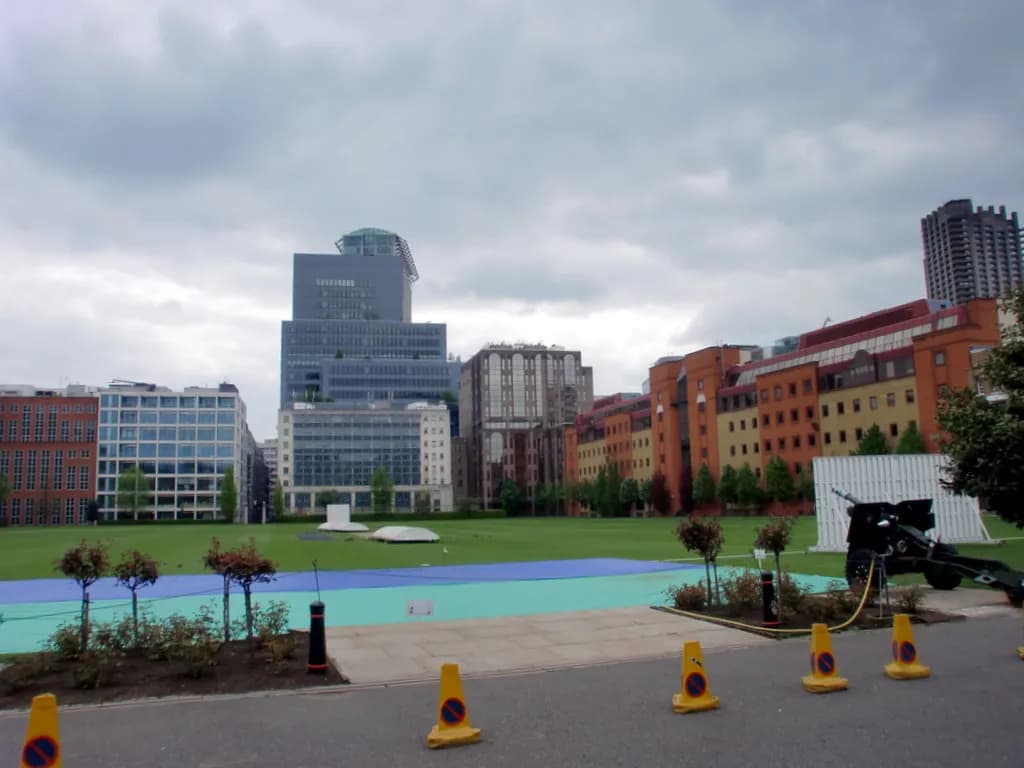
The Artillery Ground in Finsbury, just off City Road, is one of London's oldest surviving sporting venues. Today, it remains a spot for cricket, rugby and football, although its story goes back to a time when organised sport looked very much different.
And while the ground technically belongs to the neighbouring London Borough of Islington, its long association with the Honourable Artillery Company and its proximity to the Square Mile make it an interesting part of the City's wider history.
Cricket Before the Modern Stadium
It's quite remarkable to think that people were playing cricket at the Artillery Ground almost 300 years ago.
Records suggest matches were taking place here as early as 1725, long before football became the national obsession it is today.
During the 18th century, the ground became one of England's most important cricket venues. Teams representing London competed against opponents from elsewhere in the country, attracting interest at a time when cricket was developing into a major organised sport.
One recorded match between London and Surrey took place in August 1730.
To put that into perspective, this was more than a century before the first international cricket match and well before many of the country's best-known sporting institutions existed.
The ground was already helping to establish London as an important centre for cricket.
More Than Just a Cricket Ground
The Artillery Ground has another fascinating history.
The site is associated with the Honourable Artillery Company, whose roots stretch back to the reign of Henry VIII. The company moved permanently to its Finsbury home in 1658, and its historic headquarters, Armoury House, still overlooks the grounds today.
The space was originally used for military training, including archery and shooting, before becoming known for sporting competitions.
And cricket isn't the only unusual chapter in its past.
In September 1784, the Italian aeronaut Vincenzo Lunardi launched a hydrogen balloon from the ground, making the first manned balloon flight in Britain.
Imagine the excitement that must have caused among Londoners at the time.
Today, the ground continues to serve a practical purpose. Cricket is played during the summer, while rugby and football take place during the colder months. It is also available for organised cricket fixtures and corporate events.
It's an interesting example of a historic London space continuing to be used rather than simply becoming another piece of the city's past.
What About Sport in the Square Mile Today?
Of course, the City of London itself isn't particularly known for its sports stadiums.
With its relatively small residential population, busy offices and limited open space, sporting life here looks rather different from that in many other parts of the capital.
But that doesn't mean people aren't getting involved.
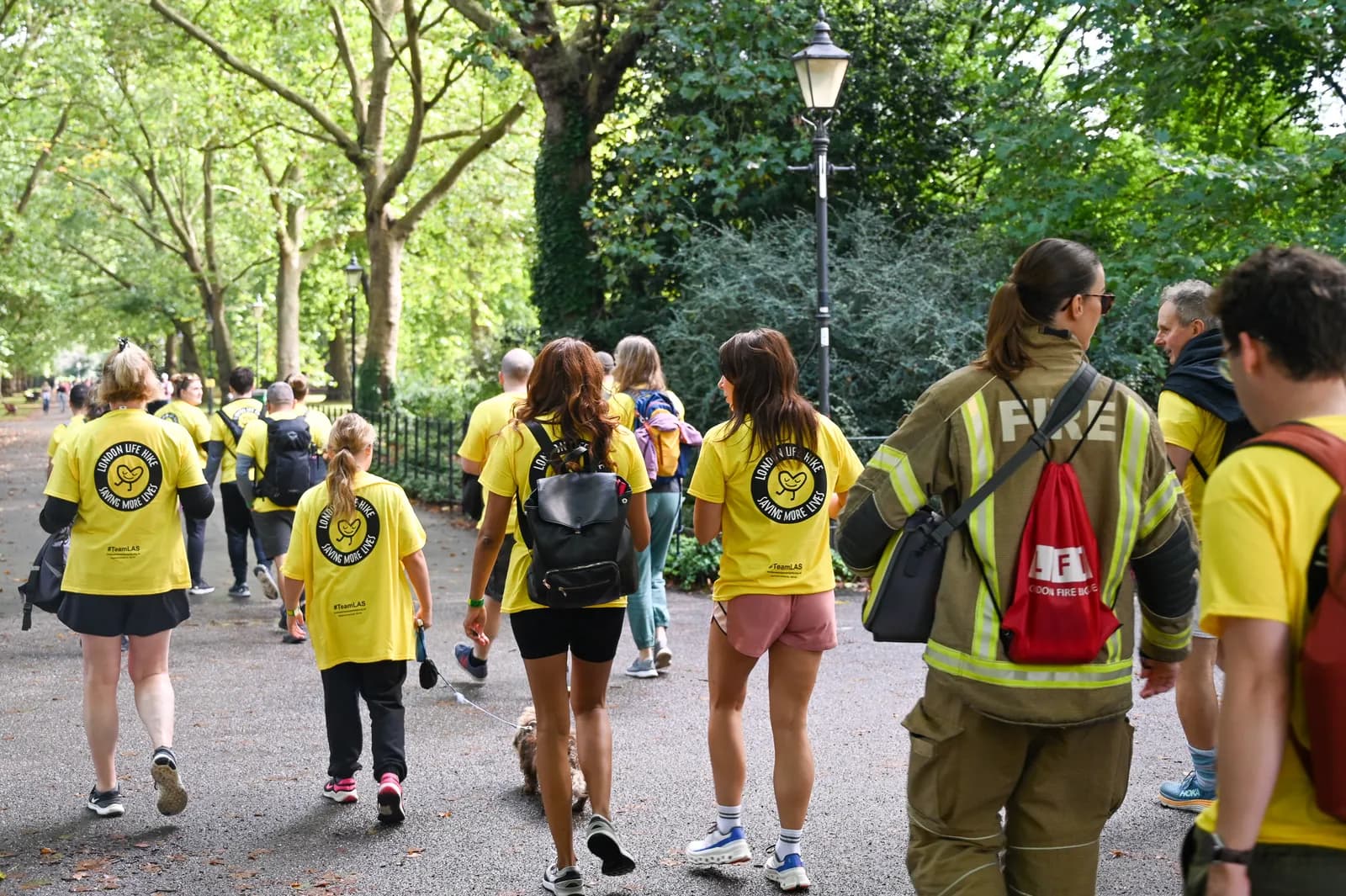
For those working in the City, sport can be an important way of meeting people outside the office, whether that's joining colleagues for five-a-side football, taking part in a running club or organising a friendly cricket match.
And with the Thames running along the City's southern edge, it's not difficult to understand why walking and running are popular ways to make the most of a lunch break or unwind after work.
There's something particularly appealing about sport that doesn't require expensive tickets or professional-level ability. Sometimes it's simply about getting outside, keeping active and enjoying the company of others.
London's Sporting History Doesn't Stop at Borough Boundaries
One of the things I find interesting about London is how closely connected its neighbourhoods are, particularly when it comes to their history.
The Artillery Ground is a good example.
Although it sits in Islington rather than the City of London, it's only a short walk from Moorgate and Liverpool Street. For people living or working in the Square Mile, it's part of the wider neighbourhood.
The same can be said for London's many sporting clubs and venues, which bring together people from across borough boundaries.
You don't have to live next door to a cricket ground to appreciate its history, just as you don't have to be a lifelong football supporter to enjoy watching a local match.
And while the capital's major stadiums attract enormous crowds, smaller and more historic grounds deserve recognition too.
They're often where some of the most interesting stories can be found.
Keeping Local Sporting Traditions Alive
What I particularly like about places such as the Artillery Ground is that they remind us how much sporting history exists in ordinary-looking corners of London.
Thousands of people travel through the surrounding streets every day, perhaps without knowing that cricket was being played nearby nearly three centuries ago.
It's easy to overlook these places when we're rushing between work, home and everything else that fills our days.
But sport has always been about more than professional competitions and famous names. It's about participation, friendships, shared interests and, quite often, the communities that grow around them.
As a local contributor with an interest in sport and history, I think these stories are worth sharing, even when they take us a short distance beyond the City of London's official boundaries.
After all, local history doesn't stop at a line on a map.
So the next time you're walking near City Road, it's worth to remember; just beyond the busy streets of the Square Mile is a ground that helped shape the early history of English cricket.