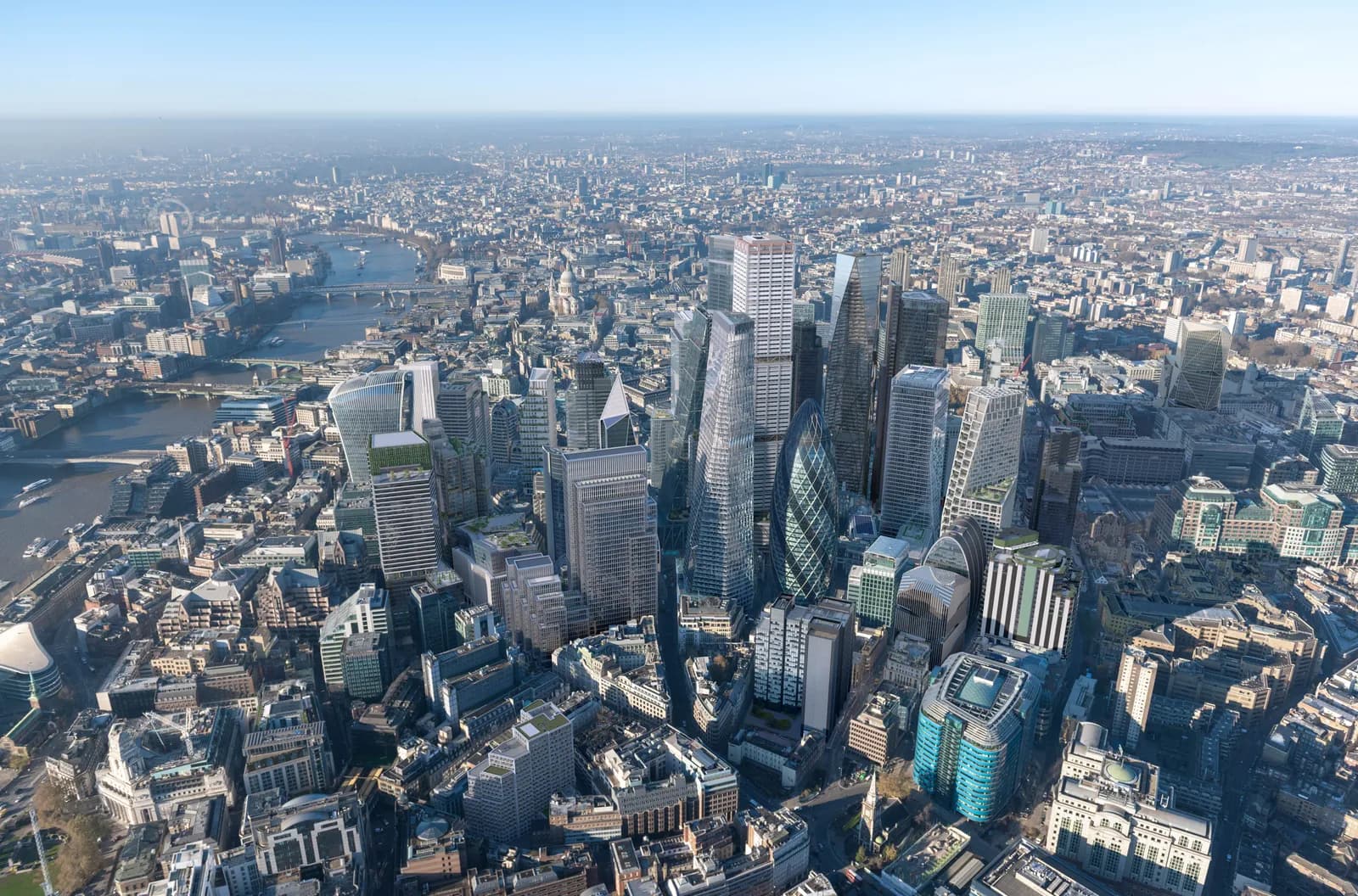
It covers just over one square mile, yet London's historic financial district is at the heart of a trading network worth trillions of pounds every working day. With more than 160 international banks, hundreds of thousands of workers and a financial history stretching back centuries, the City continues to play an extraordinary role in the global economy.
If you take a walk through the City of London on an average weekday morning and you'll find office workers queuing for a coffee, commuters emerging from Liverpool Street station and delivery drivers navigating streets that were bustling with merchants hundreds of years ago.
It might look like any other business district, but behind the glass towers and historic stone buildings, London keeps the world's financial markets moving along.
The scale is remarkable.
According to the latest Bank of England foreign exchange survey, published in August 2026, financial institutions participating in its UK survey recorded an average of approximately £3.46 trillion in currency trading every day during April 2026.
That's £3,460 billion changing hands in reported foreign exchange transactions on an average trading day, including enormous wholesale trades between financial institutions.
The figure covers participating trading desks across the UK, predominantly in London, rather than transactions taking place exclusively within the Square Mile.
And while the sums are staggering, London's international influence is arguably even more impressive.
Nearly 40% of Global Currency Trading
In a separate international survey published in September 2025, the Bank of England confirmed that the UK accounted for 37.8% of global foreign exchange trading activity.
That put Britain comfortably ahead of major financial competitors, including the United States, Singapore, Hong Kong and Japan.
Think about that for a moment.
London is competing with some of the largest economies and most powerful financial centres in the world, yet it remains the leading location for trading currencies.
A significant part of this success comes down to something London has always been particularly good at: connecting people and businesses across borders.
Its location between Asian and American time zones allows trading to continue as one major financial market hands over to another.
When business is winding down in Tokyo, London is already active. Later in the afternoon, New York joins the action.
For international banks and businesses, that overlap makes London an attractive place to operate.
But geography is only part of the story.
More Than 160 Foreign Banks Call London Home
London has spent centuries developing a financial ecosystem that few cities can match.
According to industry body TheCityUK, the capital hosts more than 160 foreign banks or branches.
Major American financial institutions, including Goldman Sachs, JPMorgan and Bank of America, maintain significant operations in London.
Japanese banking groups such as Mitsubishi UFJ Financial Group, Mizuho and Sumitomo Mitsui Banking Corporation also have an established presence.
These organisations work alongside British banks, investment firms, insurance companies, legal practices, technology businesses and thousands of financial specialists.
It's a concentration of international expertise that has taken generations to develop.
And there's an interesting historical reason why so many of these institutions came to London.
40 Years Since the City's Financial Big Bang
On 27 October 1986, London's financial markets underwent a transformation that would change the City forever.
Known as the 'Big Bang', the reforms abolished fixed stockbroking commissions, opened the London Stock Exchange to greater international competition and introduced electronic trading systems.
The traditional world of face-to-face trading began giving way to computer screens and international dealing rooms.
For those working in the City at the time, the changes were dramatic.
Former options trader Alasdair Haynes, who later founded the Aquis stock exchange, recalled returning to work after the reforms and finding that “the trading floor was practically a desert”, telling City AM about the experience four decades later.
Within weeks of the changes, then Prime Minister Margaret Thatcher addressed the Lord Mayor's Banquet at Guildhall.
Recognising the extraordinary shift towards technology, she observed:
“You can't look a computer in the eye and shake its hand to close a bargain.”
The remark, preserved in the Margaret Thatcher Foundation's original speech archive, sounds almost amusing in today's world of automated trading and artificial intelligence.
But it also captured a genuine moment of change.
Foreign financial institutions expanded their operations, international investment accelerated and London strengthened its position as one of the world's leading financial centres.
Forty years later, the effects can still be seen throughout the Square Mile.
A City of 676,000 Workers and Just 8,600 Residents
Perhaps one of the most surprising things about the City of London is how few people actually live there.
The historic district has approximately 8,600 residents, yet its workforce is enormous.
According to the City of London Corporation's September 2026 statistics, around 676,000 people are employed within the Square Mile.
That's approximately one in every 48 workers across Great Britain.
The City's annual economic output is estimated at £113 billion, making it one of the most economically significant districts anywhere in the country.
Of course, not everyone working here is a banker or financial trader.
The district supports an extraordinary range of businesses, from restaurants and independent coffee shops to legal firms, software developers, architects, designers and professional services.
Behind the enormous financial statistics are hundreds of thousands of people whose work contributes to London's international reputation.
Why London's Financial Markets Matter to Everyone
It's tempting to dismiss currency trading as something that only concerns bankers, investment funds and multinational corporations.
In reality, the foreign exchange market plays an important role in everyday business.
Consider a British manufacturer buying machinery from Germany or a small retailer importing products from Japan.
Both need to exchange currencies to pay their suppliers.
Exporters selling British products overseas face similar challenges, while pension funds and international investors need ways to manage the risks created by changing exchange rates.
The City's financial institutions help provide the markets and specialist services that make these transactions possible.
Most of the reported £3.46 trillion in daily trading involves wholesale financial activity, including currency swaps and other contracts. It doesn't mean that amount is being spent on goods and services, or earned as income by the UK.
Nevertheless, the ability to support these markets is one reason London remains so important to international business.
Can London Stay Ahead for Another Forty Years?
London's financial success is far from guaranteed.
Singapore continues to strengthen its position, while New York, Hong Kong and other international centres are competing for investment, businesses and talent.
Tech is also changing the industry at an extraordinary pace.
Automated systems already account for much of the significant trading activity, while artificial intelligence and blockchain-based financial infrastructure are starting to create even more new possibilities.
The City of London Corporation believes another technological transformation could be approaching.
In a 2026 announcement on the future of digital financial markets, its Policy Chairman, Chris Hayward, said:
“We are at a pivotal moment – a digital ‘big bang’ that will define the future of finance.”
His comments reflect the opportunity facing London as financial institutions explore faster, more efficient ways of conducting international transactions.
There are challenges, of course. Competition, regulation, investment and the changing relationship between Britain and international markets will all influence what happens next.
But history suggests that London's greatest strength has been its ability to adapt.
From medieval merchants and coffee-house trading to international banks and digital finance, the Square Mile has repeatedly reinvented itself.
And that's what makes the City such an extraordinary place.
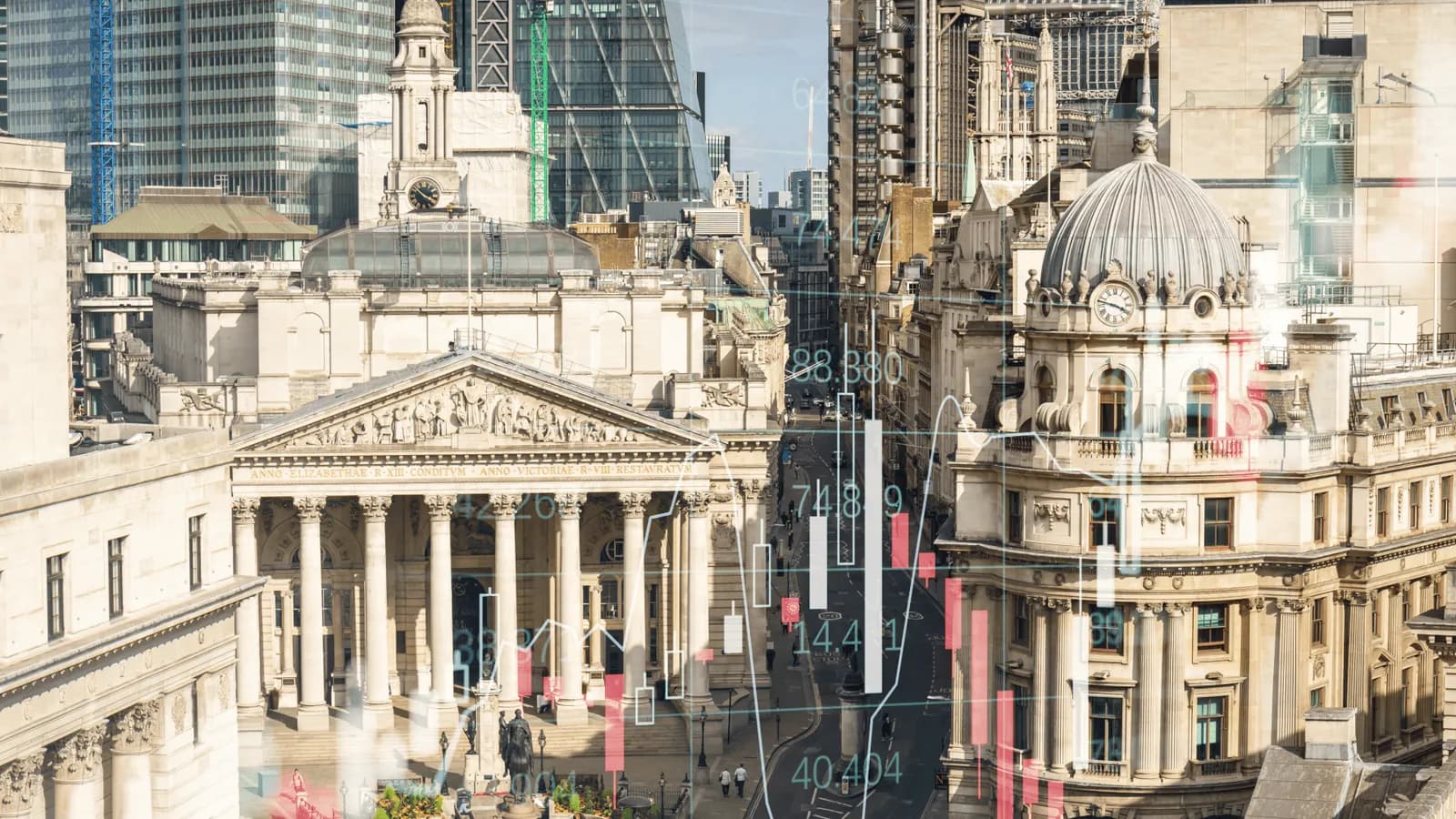
Within a short walk, you can pass the Bank of England, the Royal Exchange, centuries-old churches and some of the most advanced financial offices in the world.
It's a remarkable combination of history, business and ambition.
Forty years after the Big Bang, London's buildings, technology and trading floors may have changed beyond recognition. But its role in connecting Britain with the wider world remains as important as ever.
And with trillions of pounds flowing through the UK's currency markets every working day, the Square Mile continues to make an impact far beyond its historic boundaries.